

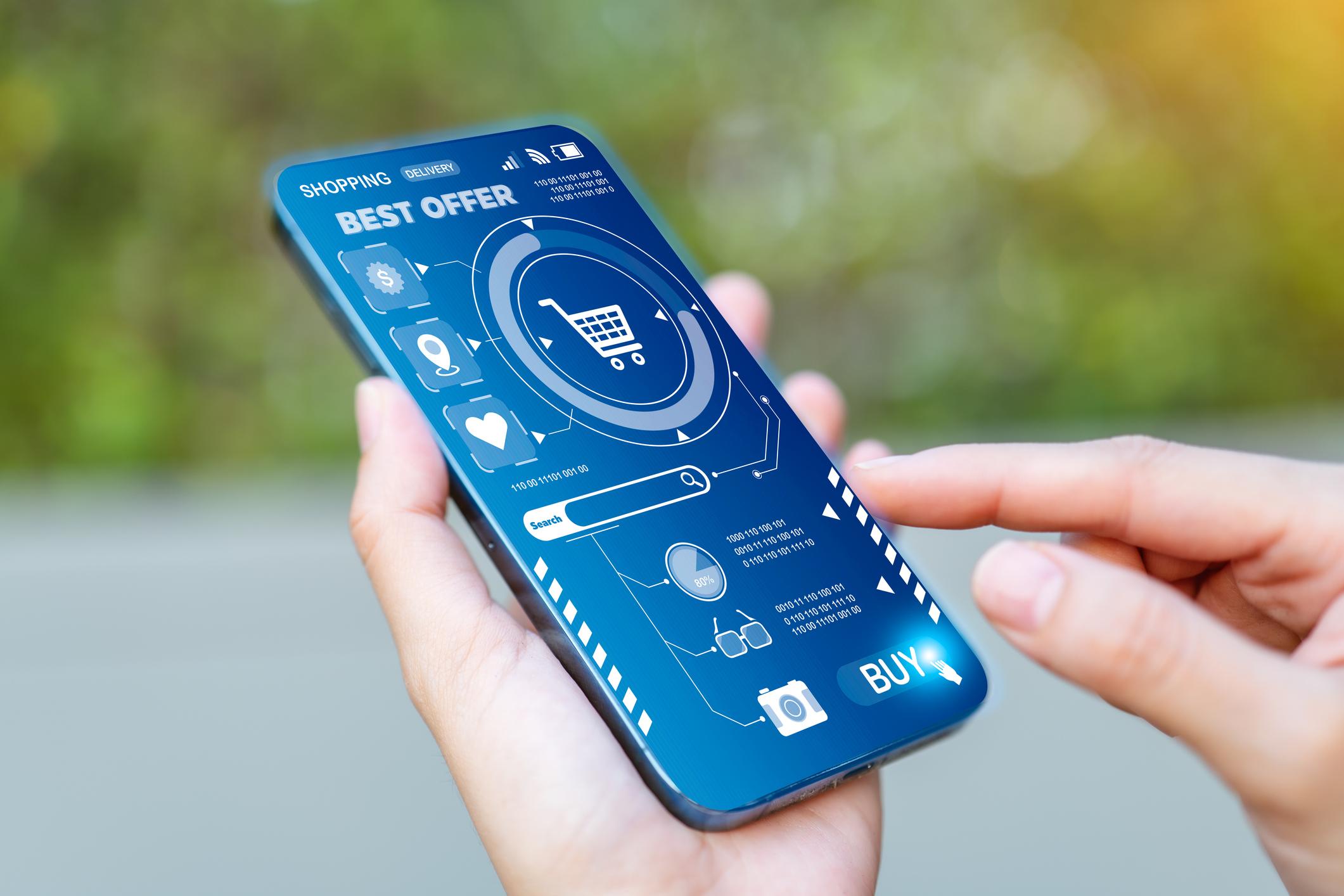
Imagine spending hours browsing products, adding items to your cart, placing an order and even tracking a delivery driver — only for nothing to arrive at your doorstep.
That strange trend is becoming increasingly popular among young people in South Korea.
According to reports, many South Korean youths are now using what are known as “dopamine sites” — fake shopping apps designed to recreate the excitement of online shopping without actually charging users any money.
These platforms look almost exactly like popular online marketplaces. Users can browse hundreds of products, read reviews, compare prices, add items to a shopping cart and proceed to checkout just like they would on a real shopping website.
The difference is that no transaction ever takes place.
After placing an order, users can even watch a virtual delivery process unfold. Some apps show a courier accepting the order and travelling toward the user’s location in real time.
However, when the delivery journey ends, no package arrives and no money leaves the user’s bank account.
For many users, that is exactly the point.
Experts say online shopping is often driven by the dopamine rush people get from browsing, selecting and ordering products rather than the items themselves. These fake shopping apps attempt to provide that same psychological satisfaction without the financial consequences.
The trend is reportedly gaining popularity among young South Koreans dealing with a high cost of living and constant exposure to online advertising.
Instead of making impulse purchases, users satisfy their shopping cravings through the simulated experience while keeping their money in the bank.
Not everyone is convinced the trend is a healthy solution.
Some behavioural experts warn that while the apps may help people avoid unnecessary spending, they could also reinforce the same habits and emotional triggers that make online shopping addictive in the first place.
Despite the debate, the unusual concept has attracted global attention and sparked discussions online about whether fake shopping apps could become the future of digital self-control.
For now, the trend appears to be unique to South Korea, but many people around the world are watching closely to see whether the idea spreads to other countries.